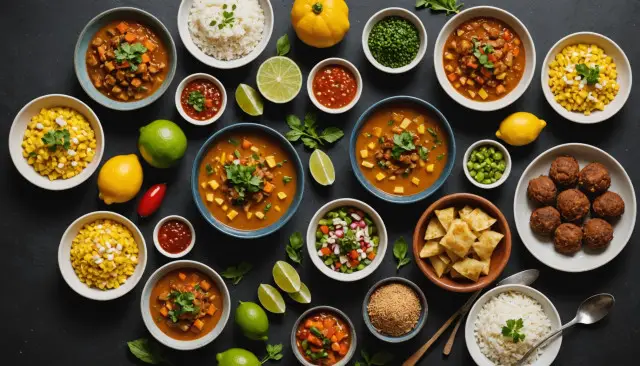
The richness of Colombian gastronomy as a national identity
Colombian gastronomy is a mosaic of flavors that reflects the country's geographic, climatic, and cultural diversity. In 2026, the national cuisine continues to solidify its position as one of the main attractions for locals and visitors alike, offering a sensory experience that goes beyond the simple act of eating. Each bite tells a story of cultural fusion, where indigenous roots, Spanish heritage, and African influence blend to create unique dishes that vary dramatically from one mountain range to another or from one coast to the other. Understanding our country's cuisine means immersing oneself in Colombian customs that surprise foreigners and fill us with pride during every celebration.
Over the years, local ingredients like corn, plantains, yucca, and an endless variety of tropical fruits have been staples on tables in homes and restaurants. Today, the trend toward organic and traditional cuisine has allowed recipes once considered exclusive to the family sphere to shine on the international stage. Colombian gastronomy is not just sustenance; it's a language that unites families during the celebrations that are so deeply ingrained in Colombia's monthly festivities , making each dish a symbol of hospitality and joy.
Flavors of the mountains in the Andean Region
The Andean Region, the geographic heart of Colombia, is home to some of the country's most iconic and hearty dishes. Thanks to its varied climate, ranging from warm valleys to cold highlands, the Andean pantry is incredibly bountiful. Here, corn reigns supreme, serving as the base for arepas, tamales, and fermented beverages like chicha. In departments like Antioquia, the culture revolves around abundant food, something that is experienced with particular intensity during events like the 2026 Flower Festival in Medellín , where traditional dishes fuel the festivities.
The bandeja paisa, an icon of abundance
Talking about the Andean Region without mentioning the bandeja paisa is impossible. This dish, originating from the coffee-growing region and Antioquia, is famous for its generous portions and variety of ingredients. An authentic bandeja paisa must include white rice, cargamanto beans cooked with pig's feet, ground beef, crispy pork rinds, a fried egg, slices of ripe plantain, chorizo, blood sausage, avocado, and, of course, a white corn arepa. It's a dish that represents the strength of the farm worker and has become a national symbol worldwide. Its preparation requires time and dedication, especially in cooking the beans, which must be thick and have that characteristic flavor that only a Colombian home can provide.
Ajiaco santafereño, the essence of Bogotá
In the cool highlands of the capital, ajiaco santafereño stands as the quintessential comfort food. This thick soup is prepared with three types of potatoes: criolla (which gives it its yellow color and is mashed to thicken the soup), pastusa, and sabanera. The secret and essential ingredient is guascas, an herb that lends it its unmistakable aroma and flavor. Ajiaco is traditionally served with shredded chicken, capers, and cream, accompanied by a slice of avocado and an ear of tender corn. It's a favorite dish for Sunday family gatherings and a must-try for any tourist visiting the Bogotá savanna.
The explosion of flavor of the Colombian Caribbean
Heading north, the culinary landscape changes completely. Colombian cuisine on the Caribbean coast is characterized by the use of coconut, fish from both the sea and rivers, and a frying technique perfected over generations. The flavors here are vibrant, spicy, and deeply influenced by Afro-Colombian traditions. During the 2026 Barranquilla Carnival , the streets are filled with enticing aromas, from a simple fried snack on a street corner to a sophisticated seafood dish at a waterfront restaurant.
Coconut rice and fried fish, the perfect combination
No Caribbean experience is complete without a plate of coconut rice, fried fish (preferably red snapper or kingfish), and plantain chips. Coconut rice can be white or black (titoté), the latter having a sweet flavor that contrasts beautifully with the saltiness of the fish and the acidity of the lime. It's usually served with a fresh tomato and onion salad. This dish reflects the relaxed coastal lifestyle, where fresh ocean ingredients take center stage every day.
The egg arepa, a gastronomic treasure of Luruaco
Among the wide variety of arepas in Colombia, the arepa de huevo (egg arepa) holds a place of honor. Originating in Luruaco, Atlántico, this dish consists of a yellow corn arepa that is first fried, then carefully opened to insert a raw egg (and sometimes shredded meat), sealed with a little dough, and fried again until the egg is cooked and the dough is crispy. It's a feat of popular culinary engineering and one of the most popular breakfasts or snacks throughout the Caribbean region.
Pacific traditions and African heritage
The Colombian Pacific region offers perhaps the most authentic and least altered cuisine in the country. It's a gastronomy of resilience and jungle, where the use of rooftop herbs like culantro, pennyroyal, and purple basil creates flavor profiles found nowhere else in the world. Here, the relationship with the sea and mangroves is intimate, giving rise to dishes like arroz de guapi, tapao de pescado, and encocaos.
Crab or shrimp encocao showcases the mastery of using artisanal coconut milk. Traditional cooks on the Pacific coast extract the milk by hand to cook the seafood over low heat, achieving a natural creaminess that delights the senses. This region is also famous for its ancestral beverages such as viche, arrechón, and tumba catre, which are an integral part of the cultural and religious celebrations of Afro-Colombian communities.
Flavors of the Plains and the Amazon
In the vast Orinoco region, cowboy culture defines the food. Llanera-style beef, or mamona, is the star dish. It consists of cuts of young beef skewered on wooden sticks and slowly roasted over wood embers. The secret lies in the cut and the minimal use of seasonings, allowing the natural flavor of the meat to shine. It is served with boiled yucca, plantains, and hogao (a tomato and onion sauce), accompanying days of joropo dancing and work on the plains.
On the other hand, the Colombian Amazon offers exotic ingredients that are gaining popularity in haute cuisine. Pirarucu, one of the world's largest freshwater fish, is consumed in a variety of preparations, from fried to ceviche. The use of fruits like cupuaçu, arazá, and camu camu brings a unique acidity and freshness to the Colombian cuisine of this rainforest region, reminding us of the importance of preserving our biodiversity.
The role of coffee and desserts on the Colombian table
No meal in Colombia is complete without a sweet ending and, of course, a cup of coffee. In 2026, we are experiencing a new boom in artisanal Colombian coffee , where consumers increasingly value the origin, roasting process, and flavor notes of each bean. Coffee is not just a beverage; it's a social ritual that accompanies after-dinner conversations and long chats.
As for desserts, the variety is overwhelming. From dulce de leche and figs with cheese, to cream dessert and curd with molasses. In warmer regions, fruit sweets like guava (bocadillo), mango, or coconut are favorites. Each region has its own way of sweetening life, using panela extracted directly from local sugar mills, which gives a rustic and authentic flavor to all the traditional preparations.
Importance of gastronomy for tourism in 2026
Colombian gastronomy has become a key driver of both domestic and international tourism. Travelers no longer seek only landscapes; they crave culinary experiences that connect them to the country. The gastronomic routes through the Coffee Region, street food tours in Cartagena, and the bustling markets of Bogotá are destinations in themselves. Market squares like Paloquemao and La Perseverancia have transformed into cultural hubs where visitors can savor the country's diversity all in one place.
Furthermore, the professionalization of Colombian chefs has allowed our traditional techniques to reach cutting-edge levels without losing their essence. This has generated international recognition, positioning Colombia as a top-tier culinary destination in Latin America. When visiting the country in 2026, it is essential to let yourself be guided by the local flavors, try what seems unfamiliar, and understand that in every dish there is a piece of Colombia's soul.
Recommendations for enjoying traditional cuisine
For those who wish to explore authentic Colombian cuisine, visiting the local markets in each city is highly recommended. There, the ingredients are fresh, and traditional cooks keep the original recipes alive. It's also important to keep an eye on the calendar of regional fairs and festivals, as these are the times when special dishes are prepared that aren't always available the rest of the year.
Trying traditional food is also a way to support local communities and the small farmers who make it possible for these flavors to reach our tables. Whether enjoying a Tolima-style tamale at a festive breakfast or a chicken sancocho on a picnic by the river, Colombian cuisine invites us to share, celebrate life, and recognize the infinite richness of our land.