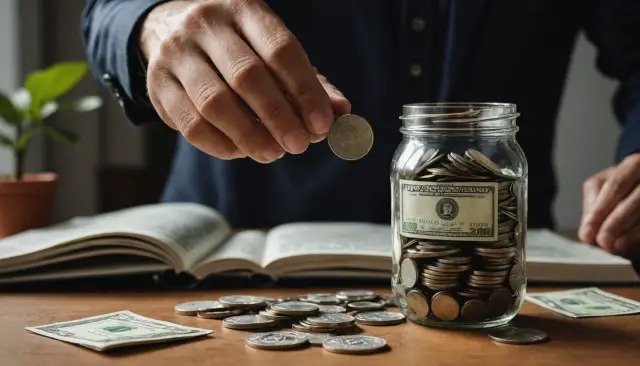
Current situation of the dollar price in Colombia today, April 10, 2026
The price of the dollar in Colombia today, Friday, April 10, 2026, has shown a highly volatile dynamic that keeps investors, business owners, and ordinary citizens on alert. At the close of the work week, the Representative Market Rate (TRM) has settled at levels that reflect global uncertainty and the internal conditions of the national economy. This behavior is not isolated, as it responds to a series of macroeconomic events that have set the tone throughout the month. To understand the magnitude of these movements, it is essential to examine the behavior of the dollar in Colombia in April 2026, analysis, and projections , which demonstrate how the US currency has fluctuated against the Colombian peso within a range that defies the forecasts from the beginning of the year.
Today's trading session has been marked by upward pressure driven primarily by external factors, although local elements have also exerted influence. Demand for foreign currency from large importers and caution from foreign investment funds have created price resistance, preventing the Colombian peso from recovering the ground lost in previous sessions. At exchange houses, the gap between buying and selling rates remains wide, indicating a latent perception of risk in the retail market. This scenario is forcing Colombians to rethink their consumption and savings strategies, especially in a context where the cost of imported goods directly impacts core inflation.
International factors putting pressure on the exchange rate in Colombia
The international landscape is undoubtedly the biggest driver of change for the price of the dollar in Colombia today. The decisions of the US Federal Reserve (Fed) regarding interest rates continue to be the focus of analysts' attention. So far in 2016, US monetary policy has sought a balance between controlling its own inflation and stimulating growth, which has strengthened the dollar globally. When interest rates in the United States remain high or show signs of further increases, capital tends to seek refuge in dollar-denominated assets, withdrawing from emerging markets like Colombia, which inevitably depreciates our local currency.
In addition to the Fed, geopolitical tensions in various regions of the world have increased risk aversion. In times of international uncertainty, the dollar acts as a safe-haven asset, increasing its demand and, consequently, its price against less liquid currencies. Colombia, being an economy dependent on the export of raw materials, suffers doubly: on the one hand, the strengthening dollar makes external debt and imports more expensive; on the other hand, global instability can affect oil prices, our main export, resulting in lower foreign exchange earnings for the country.
The role of oil and Ecopetrol's situation in the foreign exchange market
The correlation between the price of oil and the value of the Colombian peso remains strong. Historically, when the price of crude oil rises, the peso tends to strengthen due to the increased influx of dollars into the national treasury. However, in 2026, this relationship has faced significant internal challenges. Investor confidence in the hydrocarbon sector has been affected by administrative instability and changes in the leadership of the country's largest company. It is impossible to analyze the dollar today without mentioning that Ecopetrol's "on alert" status has been a recurring headline, generating nervousness on the Colombian Stock Exchange and directly impacting the currency's exchange rate.
The decline in the shares of the state-owned oil company and uncertainty surrounding the exploration of new oil fields have limited the peso's ability to benefit from international crude oil prices. If investors perceive that future oil production in Colombia is at risk, the projected flow of dollars decreases, putting upward pressure on the exchange rate even if the price per barrel remains stable in the London or New York markets. This disconnect between the price of oil and the strength of the peso is one of the phenomena most studied by local economists in this second quarter of 2026.
Impact of the dollar exchange rate on the Colombian citizen's pocket
For the average Colombian, the price of the dollar isn't just a number on the news; it's a factor that determines the cost of living. A large portion of agricultural inputs, technology, vehicles, and even certain basic foodstuffs are imported or contain components paid for in dollars. A strong dollar translates, with a lag of just a few weeks, into higher prices on supermarket shelves. This fuels inflation, reducing the purchasing power of wages and forcing families to adjust their monthly budgets.
The technology sector is one of the most sensitive. Computers, mobile phones, and household appliances often adjust their prices almost in real time with fluctuations in the exchange rate. For students and professionals who rely on these tools, the rising cost of the currency represents a barrier to technological upgrades. Likewise, the tourism sector is impacted in two opposing ways: while traveling abroad becomes a prohibitive luxury for many, the country becomes more attractive to foreign visitors, which could boost the local economy if the competitive advantage of a devalued peso is properly leveraged.
Recommendations for saving and personal finance in 2026
Given the current volatility of the dollar, financial prudence is your best ally. Experts recommend avoiding debt in foreign currency unless you have guaranteed income in that same currency. For those with dollar-denominated debt, such as credit card purchases on international platforms, it's best to make principal payments as soon as possible to prevent the exchange rate increase from further inflating the outstanding balance. Regarding savings, diversification remains the golden rule. It's not advisable to put all your capital into a single currency or asset.
It's interesting to observe how new generations are addressing this challenge. Currently, personal finance and micro-investing have gained traction, allowing small savers to access funds that protect their money from devaluation. The use of digital platforms to invest in global assets or collective investment funds has become an essential tool for mitigating the impact of the Colombian peso's depreciation. Financial literacy, therefore, becomes a basic necessity for navigating a year that promises to remain economically challenging.
Economic outlook and tax obligations for the rest of the year
The behavior of the dollar also has direct implications for the obligations that citizens and businesses have to the government. Companies that conduct international transactions must be extremely precise in their accounting to avoid penalties or financial discrepancies. In this regard, it is essential that taxpayers stay informed of regulatory updates. Remember that the Colombian Tax and Customs Authority (DIAN) is updating its 2026 tax calendar with key dates that should not be overlooked, especially for those who must declare assets abroad or who receive income in foreign currency.
Projections for the end of the first half of the year suggest that the dollar could find a new equilibrium, provided that public order and political stability in Colombia remain within predictable limits. The Central Bank plays a crucial role in this scenario, as its decisions regarding the benchmark interest rate can help curb capital flight. If the Bank decides to maintain high rates to combat inflation, this could attract investors seeking returns in pesos, helping to stabilize the exchange rate. However, this measure also comes at the cost of slowing economic growth and domestic consumption.
International travel and procedures in a volatile dollar environment
Despite the high cost of the dollar, many Colombians are still planning trips for study, work, or family reunions. For these trips, advance planning is vital. Buying dollars gradually, a practice known as "averaging the cost," allows you to avoid the impact of a sudden price spike that could ruin your travel budget. Additionally, it's important to have all your documents in order to avoid last-minute expenses. If you're planning to leave the country, don't forget to check the guide on how to obtain a Colombian passport , a process that has seen high demand in recent months.
The foreign exchange market in Colombia reflects our connection to the world. Every fluctuation in the dollar's price today tells a story about confidence in our institutions, the health of our oil industry, and the strength of the global economy. Staying informed through reliable sources and understanding the mechanisms that drive the exchange rate is the best way to protect family and business assets. In an increasingly interconnected world, the dollar will continue to be the barometer of our economic reality, and April 2026 is proving to be a month of valuable lessons for all Colombians.