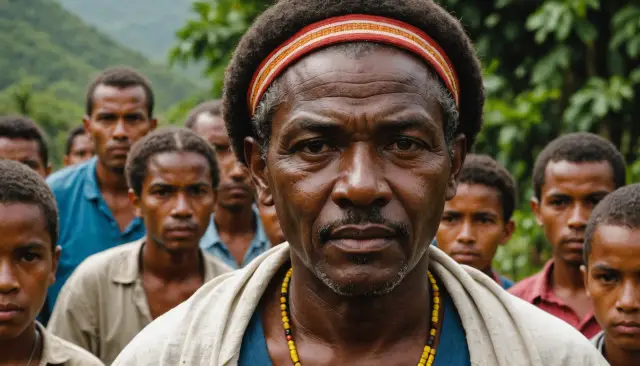
What is celebrated on Afro-Colombian Day in Colombia in 2026?
Afro-Colombian Day in Colombia 2026 represents one of the most significant dates for recognizing ethnic diversity and the fundamental contribution of Black, Raizal, and Palenquero communities to the nation's development. This commemoration, which takes place every May 21st, is not only a historical reminder but also a vibrant platform for celebrating the identity of millions of Colombians descended from the African diaspora. In 2026, this celebration takes on special significance as it marks 175 years since the official abolition of slavery in the country, a milestone that forever transformed the social and political structure of Colombia.
To understand the magnitude of this date, it is necessary to see it as a space for reflection on human rights, inclusion, and the fight against racism. This commemoration is one of the most important within the events celebrated in Colombia each month of the year , as it permeates history, music, politics, and gastronomy. Throughout the month of May, also known as Afro-Colombian Heritage Month, diverse academic, artistic, and community activities take place that seek to highlight the realities of these communities and strengthen a sense of national belonging from a multiethnic perspective.
History and origin of May 21st in Colombia
The choice of May 21st as Afro-Colombian Day in Colombia is no coincidence. This date was established by Law 725 of 2001, coinciding with the anniversary of the abolition of slavery in the country, decreed in 1851 under the government of President José Hilario López. Although the process of liberation was long and complex, this decree marked the legal end of an institution that dehumanized thousands of people forcibly brought from the African continent during the colonial era.
The abolition of slavery and the legacy of José Hilario López
The path to freedom began long before 1851. From rebellions in the mines and on plantations to the creation of palenques (maroon settlements), enslaved people always sought their autonomy. However, it was in the mid-19th century that liberal ideas and social pressures led to the signing of the law granting definitive freedom to slaves in Colombia. Despite this legal advance, the transition to full citizenship was difficult, and many of the structural inequalities of that era still persist today. Therefore, Afro-Colombian Day in Colombia 2026 serves as an opportunity to assess how far we have progressed as a society in guaranteeing the rights of these populations.
Cultural importance of the Afro community in the country
African heritage is at the heart of many of the expressions we consider quintessentially Colombian today. From the rhythms of the Pacific coast to the traditions of the Caribbean, Afro-Colombian influence is present in every corner. To better understand the richness of our country, it is essential to examine the celebration of the ethnic and cultural diversity that defines us as a nation. Without the contributions of Black communities, Colombia would not have the same vibrant sound, color, or resilience.
San Basilio de Palenque, the first free town in America
San Basilio de Palenque, located in the department of Bolívar, deserves special mention. This town is a global symbol of resistance and freedom. Founded by runaway slaves led by Benkos Biohó, Palenque managed to preserve its own language (Palenquero), its social organization, and its funeral rites, such as the Lumbalú. It was declared an Intangible Cultural Heritage of Humanity by UNESCO and is a must-see destination for those who wish to connect with the pure roots of African heritage in the country. In the context of Afro-Colombian Day in Colombia 2026, visiting Palenque is an unparalleled educational and spiritual experience.
Activities and events for Afro-Colombian Day 2026
By 2026, a robust cultural agenda is expected in the country's main cities. In Bogotá, the Ministry of Culture and the Mayor's Office typically organize concerts in Plaza de Bolívar and Afro-Colombian entrepreneurship fairs in different neighborhoods. In Cali, considered the city with the largest Afro-Colombian population in Colombia, the celebrations extend to include forums on Law 70 of 1993 and traditional dance performances on the Bulevar del Río.
Traditional music and dance festivals
Music is the primary vehicle of Afro-Colombian identity. Instruments like the chonta marimba, the cununos, and the guasá in the Pacific region, or the alegre drum and the gaita in the Caribbean, resonate powerfully on May 21st. Dance groups present choreographies of currulao, mapalé, bullerengue, and bunde, telling stories of love, freedom, and daily work. These events are not just spectacles, but acts of cultural resistance that keep ancestral traditions alive.
Afro-Colombian cuisine you must try in May
Cuisine is another fundamental pillar of this heritage. Pacific and Caribbean cuisine is an essential component of Colombian gastronomy across its regions . During the 2026 Afro-Colombian Day celebrations in Colombia, food festivals offer a unique opportunity to savor dishes steeped in history and flavor.
- Coconut rice and fried fish: A classic from the coasts that masterfully combines sweet and savory.
- Fish or three-phase sancocho: Prepared with firewood, it is the center of family gatherings in black communities.
- Encocados: Dishes made with seafood cooked in fresh coconut milk and natural spices.
- Sweets from Palenque: The famous 'alegrías', caballitos and cocadas sold by the palenqueras with their colorful outfits.
How to promote inclusion and ethnic respect in schools
The education sector plays a crucial role in commemorating Afro-Colombian Day in Colombia in 2026. The Afro-Colombian Studies curriculum is a pedagogical tool that should be implemented in all schools across the country, not only in May, but throughout the entire school year. It is vital that students learn about Afro-Colombian heroes and heroines, such as Admiral Padilla and the writer Mary Grueso, to break down historical stereotypes and prejudices.
Educational institutions often hold flag-raising ceremonies, display informational posters, and stage theatrical performances about the abolition of slavery. These activities help new generations understand that Colombian identity is multifaceted and that respect for difference is the foundation of lasting peace. Just as with the vueltiao hat and other national symbols , Afro-Colombian expressions are part of the soul of the country and should be valued with the same pride.
Tourist destinations to discover the African heritage in Colombia
If you're planning a trip in May to experience this celebration firsthand, there are destinations that offer a deep immersion in Afro-Colombian culture. Besides San Basilio de Palenque, these places are essential:
- Quibdó, Chocó: On the banks of the Atrato River, it is the epicenter of the culture of the North Pacific, where faith and joy mix in its festivities.
- Buenaventura, Valle del Cauca: The main port on the Pacific is the birthplace of great musicians and athletes, and offers unparalleled seafood cuisine.
- Cartagena de Indias: Beyond its walls, neighborhoods like Getsemaní and the nearby islands retain a strong African influence in their way of life.
- Guapi and Timbiquí: In Cauca, these municipalities are famous for their singers and for being the heart of marimba music.
Afro-Colombian Day in Colombia 2026 is, ultimately, an invitation to recognize that Colombia is Black in its roots and diverse in its future. By celebrating this May 21st, we honor the past struggles of our ancestors and commit ourselves to a present where equality and recognition are the norm. It is a day to feel pride in our African heritage and to ensure that the legacy of freedom continues to resonate in every drum and every voice across our land.