Healthy habits that Colombians are adopting in 2026
By 2026, healthy habits in Colombia have become a priority for a growing number of people. After years of social, technological, and wellness awareness changes, Colombians are adopting new routines that balance body, mind, and environment. From mindful eating to mental health care, the country is experiencing a cultural transformation toward a more sustainable and healthy lifestyle.
The new awareness of well-being in Colombia
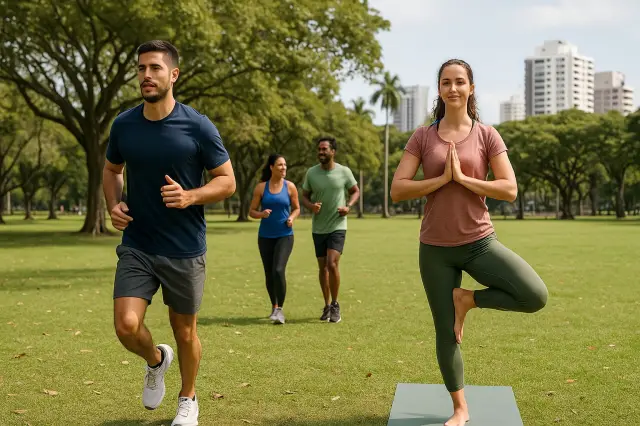
In recent years, wellness has ceased to be a trend and has become a collective goal. In cities like Bogotá, Medellín, Cali, and Bucaramanga, parks are filled with people exercising outdoors, and more and more cafes and restaurants are offering healthy options.
Young Colombians, in particular, are driving this change. According to recent studies by the Ministry of Health, 68% of those under 35 in Colombia prioritize mental and physical health in their daily lives, something that was uncommon a decade ago.
Healthy eating and responsible consumption
One of the main habits that has evolved in 2026 is healthy eating . Colombians are learning to recognize the importance of what they eat, and this is reflected in several aspects:
Increased consumption of local fruits such as mango, soursop and pitaya.
Preference for natural and less processed foods.
Growing interest in sustainable gastronomy and organic products.
Reduction in the consumption of sugary drinks and fast food.
In mid-sized cities and towns, farmers' markets have gained prominence. This trend not only boosts the local economy but also fosters a more direct relationship between producers and consumers.
The rise of physical exercise and outdoor activities
Movement is another pillar of Colombian well-being. By 2026, exercise routines had diversified enormously. It's no longer just about going to the gym, but about enjoying the body and nature.
Hiking and mountain biking in regions such as Cundinamarca, Antioquia and the Coffee Region.
Yoga and meditation classes in public spaces.
Urban sports such as skateboarding, parkour, and running in metropolitan parks.
Hybrid trends that combine physical exercise with spiritual wellness experiences.
The Ministry of Sport has supported this trend with campaigns that encourage daily movement and the use of free time.
Mental health and emotional balance as a priority
By 2026, talking about mental health in Colombia will no longer be taboo. Younger generations, businesses, and the media are promoting a culture of emotional self-care.
Colombians are adopting practices such as:
Meditation and mindfulness.
Psychological therapies available online.
Digital disconnection and limits with social media.
Artistic activities as emotional expression therapy.
This cultural shift has been key to reducing urban stress levels and improving quality of life.
The impact of remote work and work-life balance
Remote work, which became more widespread after the pandemic, has changed how Colombians understand work-life balance. By 2026, many companies had adopted hybrid models that allow for:
Greater flexibility in working hours.
Less travel and therefore less stress.
More time for self-care and family.
This has driven new habits such as active breaks, rest areas, and routines for disconnecting from technology at the end of the day.
Conscious consumption and personal sustainability
Health also extends to the environment. Colombians are understanding that individual well-being depends on a healthy planet. Therefore, there is a growing trend toward responsible consumption .
Use of ecological and recyclable products.
Reduction of single-use plastic.
Interest in sustainable mobility: bicycles, public transport, electric cars.
Participation in reforestation and river cleaning projects.
This type of action reinforces the connection between personal health and environmental health, a value that in 2026 is an essential part of the Colombian lifestyle.
Technology at the service of health
Technological advancements have also contributed to strengthening healthy habits. Today, there are apps and devices that allow users to monitor physical activity, sleep, and diet. In Colombia, more and more people are using smartwatches and local apps to improve their well-being.
Furthermore, medical centers have integrated digital tools for patient follow-up, teleconsultations, and monitoring of preventative treatments. Technological innovation has enabled more personalized and efficient healthcare.
Conclusion: a culture of well-being that's here to stay
2026 marks a turning point in how Colombians understand health. It's no longer just about preventing illness, but about living better every day , with habits that connect mind, body, community, and planet.
These new behaviors demonstrate that the country is building a strong culture of well-being, driven by education, technology, and collective awareness.